Protecting Assets Through Proper Trust Management


Key Takeaways
- Proper trust management is essential to safeguard assets from lawsuits, creditors, and unforeseen events.
- Different trust structures provide varying levels of asset protection and tax advantages.
- Legal compliance, effective trustee selection, and regular trust reviews are critical to ensuring trust effectiveness.
- Poor trust management can lead to legal disputes and financial loss, particularly if documentation is inadequate or the trust is not properly funded.
- Integrating trusts with business entities and insurance can enhance overall asset protection.
Understanding the Role of Trusts in Asset Protection
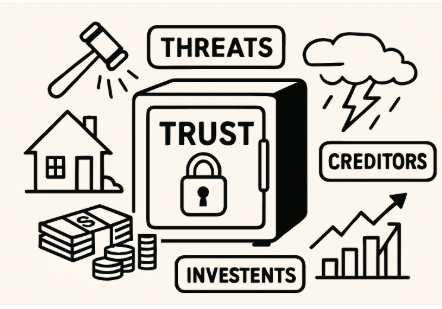
Trusts are a foundational component of comprehensive asset protection planning. By placing assets into a trust, individuals can reduce the risk of losing wealth to lawsuits, creditor claims, and unexpected financial difficulties. With careful structuring, trusts can serve as a legal barrier between assets and third parties, helping secure wealth for the intended beneficiaries.
When considering effective methods for asset preservation and inheritance planning, many individuals explore the nuances of trust administration California. This process ensures assets are managed and distributed in accordance with the grantor’s wishes, while also providing administrative support and legal oversight to reduce potential liabilities.
Choosing an appropriate trust solution also helps avoid the lengthy and public probate process, offering privacy and efficiency in wealth transfer. Furthermore, trusts help individuals create tailored plans for their legacies, setting specific conditions for asset distribution based on beneficiaries’ needs.
Asset protection with trusts becomes even more critical when family dynamics are complex or business ownership is involved. A well-structured trust not only shields assets but can also provide for ongoing management if beneficiaries are minors or if there are concerns about financial responsibility.
Types of Trusts for Asset Protection
The landscape of asset-protection trusts offers several distinct options, each with its own advantages:
- Revocable Living Trusts: These trusts allow the grantor to retain control and flexibility but are generally not effective for protecting assets from creditors, as ownership remains accessible to the grantor.
- Irrevocable Trusts: By surrendering ownership and control, grantors can insulate assets from most creditor claims and legal judgments. This structure offers strong protection but requires careful planning since the transfer is permanent.
- Domestic Asset Protection Trusts (DAPTs): Available in select U.S. states, DAPTs allow individuals to serve as beneficiaries of their own trusts while maintaining a measure of protection from personal lawsuits, subject to specific legal limitations in each jurisdiction.
- Offshore Trusts: Established outside the U.S., these trusts benefit from foreign jurisdictions with tight asset-protection laws. While costly and complex, offshore trusts can be especially useful for high-net-worth individuals facing substantial litigation risks.
Key Considerations in Trust Management
Establishing a trust is only the first step; effective trust management is essential for ensuring assets remain protected. A critical aspect is selecting a trustworthy, responsible, and skilled trustee who will act in the best interests of the beneficiaries and fulfill fiduciary duties diligently.
It is also imperative that trusts comply with all applicable laws and regulations to retain their protective functions. This includes proper formation, ongoing regulatory compliance, and regular reporting. Trust documents should be reviewed and updated periodically to reflect any changes in the law, personal circumstances, or the nature of trust assets.
Common Pitfalls in Trust Management
- Co-mingling of Assets: Accidentally mixing personal assets with trust assets blurs legal boundaries and can compromise protection. Asset segregation is fundamental to establishing a valid trust structure.
- Failure to Fund the Trust Properly: A trust protects assets only if they have been formally transferred to it. Failing to fund a trust or leaving out key assets can render a robust trust document meaningless.
- Inadequate Documentation: Poor record-keeping, missing legal documents, or unclear trust provisions can fuel disputes and may even lead to the trust being challenged or invalidated.
Integrating Trusts with Other Asset Protection Strategies
Layering trusts with other legal entities amplifies asset protection. For example, transferring real estate and investment accounts into a Limited Liability Company (LLC) owned by an irrevocable trust provides two layers of protection against personal liabilities and lawsuits. This can be particularly valuable for those who own rental or commercial properties.
Additionally, adequate insurance coverage is critical. Liability insurance, property insurance, and umbrella policies fill in the gaps left by trusts, covering risks that legal entities and trusts may not shield against. Together, these strategies enhance comprehensive protection for high-value portfolios.
Legal and Tax Implications
Understanding the tax and legal consequences of each trust structure is essential for long-term success. Some trusts, such as irrevocable life insurance trusts and certain grantor trusts, can help minimize estate taxes when properly planned. However, if not implemented or maintained correctly, they may trigger unexpected tax liabilities.
Trusts also face varied income tax rules, with some structures taxed at higher rates than individuals. Furthermore, distributing income to beneficiaries can change the tax picture, so working closely with estate planning attorneys and accountants ensures optimal compliance and tax outcomes. Legal enforceability also depends on the jurisdiction and the evolving legal landscape.
Final Thoughts
Proper trust management is an essential building block of asset protection planning and wealth preservation. By understanding trust types, employing best practices in trust administration, and combining trusts with other legal and insurance strategies, families can defend assets against many threats. Continual review and professional guidance help to ensure that trust structures align with changing personal objectives and evolving legal requirements for a lasting legacy.

Thalla Lokesh
Thalla Lokesh is a Digital Marketing Strategist and SEO Specialist with over 12 years of experience in helping businesses grow their online presence. Since beginning his career in 2013, he has successfully worked across industries including healthcare, education, technology, and e-commerce. He specializes in search engine optimization (SEO), content marketing, keyword strategy, and link building, with a strong focus on delivering measurable results. Lokesh has helped brands achieve top rankings on Google through data-driven strategies, high-quality content, and ethical SEO practices aligned with search engine guidelines. As the founder of Honey Web Solutions , a Tirupati-based digital marketing company, he actively works with clients to improve organic traffic, lead generation, and online visibility. He also contributes expert insights on digital marketing trends, AI SEO, and content strategies through blogs and industry platforms.