
Key Takeaways
- Understanding your rights ensures fair treatment and protection in the workplace.
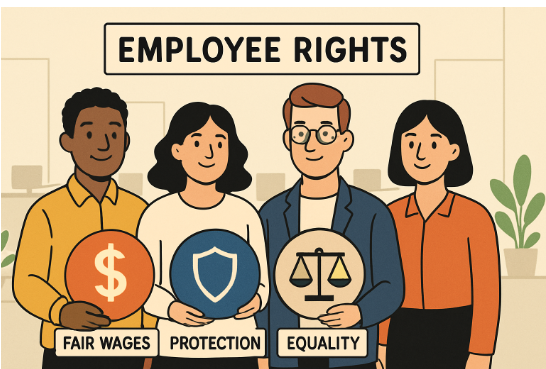
- Key rights include fair wages, a safe work environment, and protection against discrimination.
- Staying informed empowers employees to advocate effectively for themselves.
Introduction
The modern workplace constantly evolves, making it more important than ever for workers to have a clear understanding of their employee rights. This knowledge forms the foundation for a supportive and respectful work culture, ensuring employees can advocate for themselves if issues arise. Whether you’re starting your career or have years of experience, being well-versed in your rights helps you navigate workplace challenges with confidence and resilience. If you ever find that your rights may be at risk, consulting with Colorado Springs employment law attorneys can provide further clarity and legal support.
Awareness of employee rights also deters unfair practices and builds a workplace environment rooted in respect and equality. Workers who are well-informed are less likely to be exploited and more likely to experience positive outcomes in employment-related disputes.
Employee rights cover a spectrum of protections, from earning fair wages to safeguarding against discrimination and retaliation. Understanding these fundamentals fosters both personal and professional growth, contributing to the overall well-being of your workplace.
Besides legal protections, having a strong grasp of rights can improve morale, communication, and cooperation between employees and management. This proactive approach fosters fairness within teams and establishes clear expectations for all parties—a win-win for both workers and employers.
Right to Fair Wages and Overtime Compensation
One of the core protections employees have relates to fair compensation. Federal and state laws stipulate that all workers must receive at least the minimum wage for every hour worked. Additionally, non-exempt employees are entitled to overtime pay, usually calculated at one and a half times the regular hourly rate for any hours worked beyond 40 in a workweek. The Fair Labor Standards Act (FLSA) is the central federal law governing wage and hour standards in the United States. Being aware of these provisions protects employees from wage theft and ensures they are justly compensated for their time and effort. For more detailed information on wage laws, you can refer to theU.S. Department of Labor’s Wage and Hour Division.
Protection Against Discrimination and Harassment
Another cornerstone of employee rights is protection from unlawful discrimination and harassment. Federal laws, such as Title VII of the Civil Rights Act of 1964 and the Americans with Disabilities Act (ADA), prohibit discrimination based on race, color, religion, sex (including pregnancy, sexual orientation, and gender identity), national origin, age, disability, and genetic information. Every employee has the right to work in an environment where they are valued and treated with respect. Harassment, including sexual harassment, is strictly prohibited; employers are obligated to promptly address any grievances related to unwelcome conduct or bias.
Examples of Prohibited Conduct
- Denying promotion opportunities based on gender or ethnicity.
- Mistreatment or isolation of a colleague due to their religious or cultural background.
- Repeated unwanted advances, offensive jokes, or remarks in the workplace.
For individuals experiencing discrimination, theEqual Employment Opportunity Commission (EEOC)provides resources to guide them in filing complaints and seeking remedies.
Right to a Safe and Healthy Work Environment
All employees are entitled to a workplace free from recognized hazards that could cause harm. Employers must comply with occupational safety and health regulations, which cover requirements ranging from proper training and safety equipment to protocols for handling dangerous substances. Agencies like the Occupational Safety and Health Administration (OSHA) enforce safety standards, conduct workplace inspections, and address whistleblower complaints. When a hazard is reported, employers are required to take prompt action to protect their workforce.
Rights to Family and Medical Leave
Family and medical emergencies should never jeopardize an employee’s job security. The Family and Medical Leave Act (FMLA) grants eligible workers up to 12 weeks of unpaid, job-protected leave per year for events such as the birth or adoption of a child, personal serious illness, or to care for an ill family member. This policy is crucial for helping workers balance professional and personal responsibilities without fear of termination.
Right to Organize and Join a Union
Collective bargaining is a fundamental right for employees seeking better working conditions and fair treatment. Workers can form, join, or assist unions and participate in collective negotiations with their employers. The National Labor Relations Act ensures these rights are preserved, and employers cannot retaliate against employees for union involvement or related activities.
Whistleblower Protections
Transparency and accountability in the workplace are encouraged through whistleblower protection laws. Employees who report workplace misconduct—including unsafe practices, discrimination, or legal violations—to authorities or regulatory bodies are protected from retaliation, such as demotion, termination, or harassment. Protections vary by industry and state, highlighting the importance of verifying the specific regulations that apply within your profession or location.
Privacy Rights in the Workplace
While employers may monitor work-related activities to ensure productivity and compliance, employees do retain certain privacy rights at work. Personal belongings, private conversations, and some electronic communications are generally protected from unreasonable searches or surveillance. However, understanding your company’s policies and relevant state laws can clarify the boundaries of workplace privacy and prevent misunderstandings.
Being aware of employee rights is crucial for creating a fair, safe, and legally compliant workplace. Employees who understand their rights can confidently advocate for themselves, effectively address conflicts, and contribute to creating a culture of respect and accountability. Knowledge of labor laws, workplace policies, and protections against discrimination or unfair treatment empowers workers to make informed decisions and seek appropriate remedies when needed. In more complicated cases or when uncertainties arise regarding your entitlements, consulting professional legal resources or employment law experts ensures that your rights are protected and that workplace issues are handled appropriately and efficiently.