
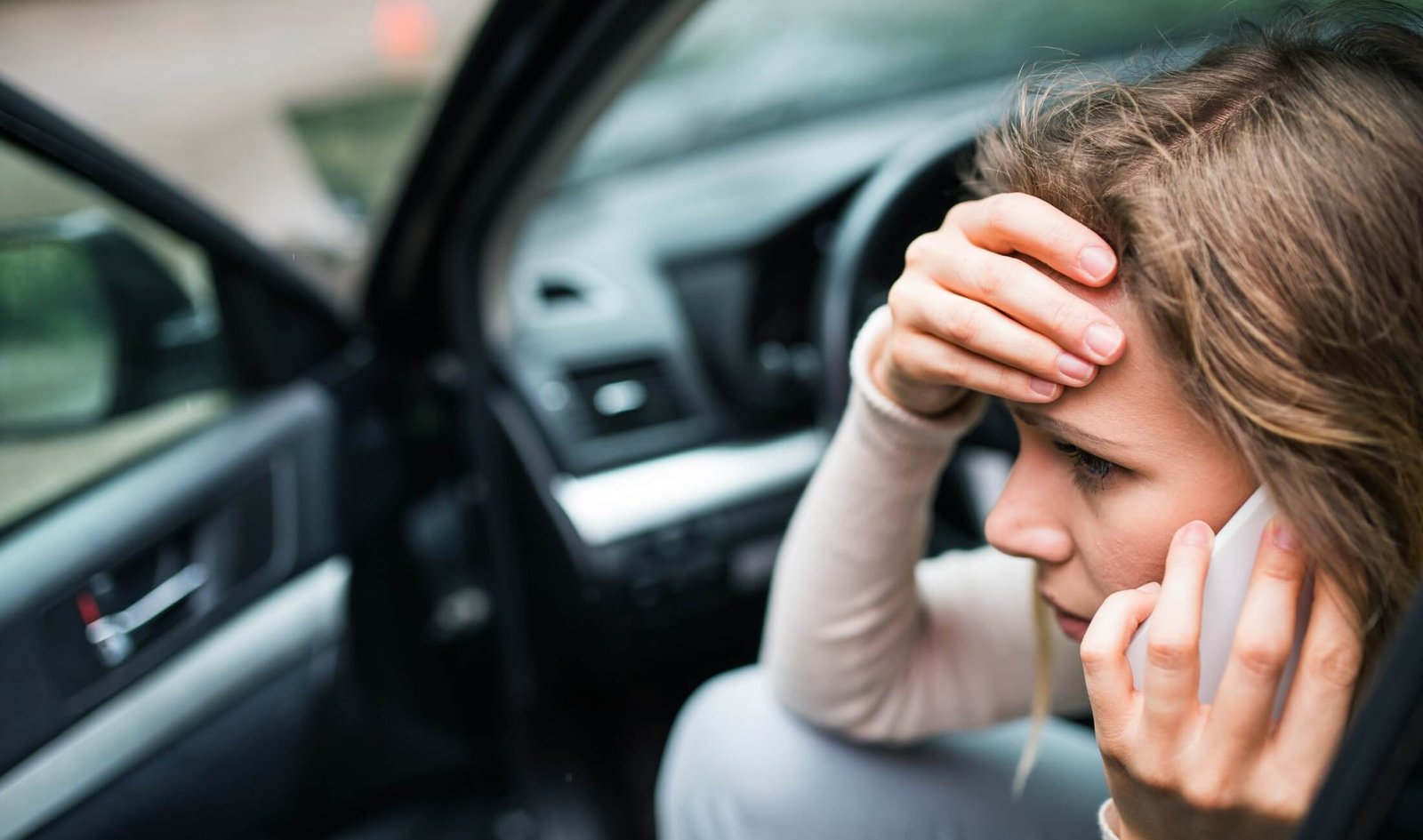
Car accidents are unpredictable and often traumatic. Whether it’s a minor fender-bender or a serious collision, knowing what steps to take immediately after an accident is crucial. Following the right procedures can protect your safety, ensure legal compliance, and help with insurance claims.
This comprehensive guide covers everything you need to know after a car accident in 2020, from safety precautions to legal and insurance considerations.
Ensure Safety First
Your safety and the safety of others should be the top priority:
Check for injuries – Make sure everyone in your vehicle is okay.
Move to a safe location – If possible, move your car off the road to avoid further accidents.
Turn on hazard lights – Alert other drivers and prevent additional collisions.
Do not leave the scene – Staying at the accident site is both safe and legally required.
Remember: Even minor injuries may become serious later. Always seek medical attention if needed.
Call Emergency Services
Dial emergency numbers (911 in the U.S.) if there are injuries or severe damage.
Request police presence for legal documentation, especially in accidents involving other vehicles.
Medical help should be summoned immediately if anyone is injured.
A police report is critical for insurance claims and legal proceedings.
Check Yourself and Others for Injuries
Examine yourself and passengers for injuries.
Avoid moving anyone who is seriously injured unless there’s immediate danger (like a fire).
First aid can be administered for minor cuts and bruises.
Keeping a calm and systematic approach reduces panic and ensures everyone’s safety.
Exchange Information with Other Parties
Collect the following details from everyone involved:
Full name and contact details
Insurance company and policy number
Driver’s license number and license plate number
Vehicle make, model, and color
Avoid discussing fault or blame. Stick to facts only.
Document the Accident Scene
Accurate documentation is essential for insurance claims and legal purposes:
Take photos of all vehicles involved from multiple angles.
Capture damages, skid marks, traffic signs, and road conditions.
Note time, date, and location of the accident.
Record witness contact information if available.
Detailed documentation can prevent disputes with insurance companies or other drivers.
Report the Accident to Authorities
Some states require reporting accidents to the DMV or local authorities.
File a police report if necessary, even for minor accidents.
Ensure the report contains accurate information and is free of assumptions or speculation.
A police report protects you from fraudulent claims and strengthens your case with insurance.
Notify Your Insurance Company
Inform your insurance company as soon as possible.
Provide all collected information, photos, and police reports.
Be honest and avoid exaggeration. Stick to the facts.
Early reporting helps speed up claims processing and ensures coverage.
Seek Medical Attention
Even if you feel fine, some injuries like whiplash or internal trauma may appear later.
Keep records of all medical visits, tests, and treatments.
Follow the doctor’s advice and treatment plan.
Medical documentation is also important for insurance and potential legal claims.
Avoid Social Media Discussions
Do not post about the accident on social media.
Avoid admitting fault or sharing opinions about other drivers.
Anything posted online can be used against you in legal or insurance proceedings.
Keep communication professional and factual.
Consider Legal Advice
If the accident involves injuries, disputes, or significant damages, consult a car accident lawyer.
A lawyer can help you understand your rights, claims, and legal options.
Legal advice is especially important if liability is contested.
Early legal guidance can prevent financial losses and complicated disputes.
Keep a Detailed Record
Maintain a dedicated file for the accident including:
Police report
Medical bills and treatment records
Photos of damages and injuries
Correspondence with insurance companies
Witness statements
Organized records make insurance claims and potential lawsuits easier to handle.
Repair Your Vehicle
Get estimates from licensed repair shops.
Submit all repair bills to your insurance company.
Ensure repairs meet safety standards before using your vehicle again.
Don’t delay repairs, as insurance policies often have time limits for claims.
Understand Insurance Coverage
Check your policy for collision coverage, liability, and medical benefits.
Understand what is covered for vehicle damage, medical expenses, and third-party claims.
Ask your insurance provider about deductibles and claim limits.
Knowing your coverage prevents unexpected out-of-pocket expenses.
Follow Up on Claims
Keep track of claim status with your insurance company.
Respond promptly to requests for documentation.
Review settlement offers carefully before signing.
Persistence ensures fair compensation for damages or injuries.
Learn from the Accident
Analyze the accident to understand what went wrong.
Practice safer driving habits to prevent future accidents.
Consider taking a defensive driving course.
Awareness and education help reduce risks and improve road safety.
Common Mistakes to Avoid After a Car Accident
Leaving the accident scene without proper reporting.
Failing to call the police or file a report.
Admitting fault at the scene.
Not documenting damages or injuries.
Ignoring medical attention, even for minor injuries.
Delaying insurance notification.
Posting about the accident on social media.
Avoiding these mistakes can save you from legal trouble and financial losses.
Conclusion
Car accidents are stressful, but remaining calm and following the correct steps can make a significant difference. From ensuring safety to reporting, documenting, and notifying your insurance company, each action is vital for protecting your health, finances, and legal rights.
By following these things to do after a car accident in 2020, you can handle the situation efficiently, minimize risks, and ensure smooth resolution of claims. Remember, preparation and knowledge are key to navigating car accidents safely and responsibly.