Choose the Right Ecommerce Payment Gateway for Your Business

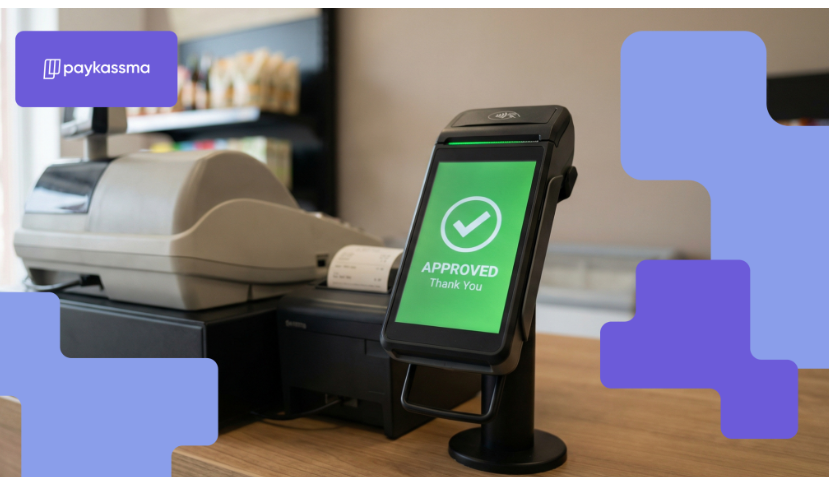
When a customer simply clicks “buy”, all the things are determined by 1 system functioning perfectly: the payment gateway. A slow, unreliable or insecure gateway can silently terminate conversions and destroy the trust. An optimally tuned gateway does just the reverse. It makes all operations quick, secure and hassle free.
This guide demystified precisely how a payment gateway works, what to look for, and how to pick the right solution to your online business. We are about to help you choose the right payment gateway for your business.
What is an Ecommerce Payment Gateway and How Does It Work?
The technology that links your online shop to the payment processing financial system is an ecommerce payment gateway. It is the intermediary between the payment processor, the merchant, and the customer.
Whenever a customer inserts their payment information, the gateways intervenes to securely forward that information, authenticate the transaction, and give feedback of approval or rejection within several seconds.
And expanding into fast-growing regions like Bangladesh or any other similar brings a different challenge – the standard global tools may not perform well. This is why many merchants are looking for solutions for the markets, such as the ecommerce payment gateway Bangladesh that is designed for regional payments. It flows efficiently and gets better transaction success rates. This technology is essential for a good experience outside the most popular markets such as Europe and the US.
The Role of the Gateway in the E-commerce Ecosystem
A gateway payment is the centre of your business site. It relates to communication among various systems:
- The payment information entered by the customer;
- The platform that requests authorization;
- The issuing banks that are contacted by the processor;
- The ultimate acceptance or rejection.
You can not receive online payments without a gateway system, it is not a voluntary foundation of payments. A robust gateway provider will make sure that all transactions are secure and on time.
Step-by-Step: How E-commerce Payment Gateways Actually Work
The following steps are the flow of an average online transaction through a payment gateway:
- Customer swipes credit card or alternative payment;
- The gateway encrypts the payment information;
- The information is transmitted to the payment processor;
- The processor communicates with the bank of the customer;
- The transaction is either approved or rejected by the bank;
- The answer is returned through the gateway;
- The customer sees confirmation.
All this happens within 1-3 seconds. Speed matters and each additional delay adds to the drop-off in the checkout process.
Understanding the Difference Between a Gateway and a Payment Processor
This is where many merchants can get confused. You should know that:
- The payment gateway handles the transmission and security of the data;
- The payment processor handles the actual movement of funds.
In even more simple words – the gateway can be considered as the safe messenger and the processor as the system that moves money between bank accounts.
Both are required to process payments, but they have different roles. Some providers offer them together, but the difference remains when considering the performance.
Key Benefits of a Secure Payment Gateway for Your Online Store
The strong payment gateway has an impact over the revenue, the trust and the growth of your business in the long term. The secure choice has many benefits for your online store.
Why Your Online Store Needs a Secure Payment Solution
Customers are intolerant to risk. In case your checkout looks sketchy, or does not work, they will simply leave. The efficient secure payment systems:
- Builds trust immediately;
- Reduces failed transactions;
- Accepts various forms of payment.
The right gateway allows you to enable secure transactions across different regions and devices. And this is essential for a good experience for clients.
How a Secure Payment Gateway Protects Sensitive Merchant Data
Every transaction involves sensitive data such as card and personal details. Contemporary gateways have several layers of protection:
- Data encryption to secure data;
- Tokenization to replace card payment details with secure tokens and simplify the process;
- PCI DSS compliance to meet the global requirements for security.
These systems encrypt and isolate sensitive customer and customer information, which reduces the exposure to data breaches. A gateway that meets PCI DSS standards ensures your merchant account works under a recognized security standard. Secure gateways offer better experience.
Enhancing the Checkout Experience to Reduce Cart Abandonment
A strong checkout flow helps merchants to accept payments with no friction, and it also makes users move forward and not drop off. The goal here is not difficult – just make it easy to accept payments from customers whether they choose bank or card, or another option. A modern payment gateway is a technology layer that will remove the complexity but only if the gateway should integrate seamlessly with your e-commerce website.
These best setups guide online shoppers via a clean, fast flow. Payment gateways also handle validation via the payment gateway without delays. Many fail here, because the gateways often create no needed steps. The good gateways simplify everything and enable faster approvals and streamline the entire process as your business grows and adapts to different business needs.
Types of E-commerce Payment Gateways for Different Stores
Not all payment gateways are suitable to all businesses. The correct option will be based on your platform, the volume you experience, and the technical configuration.
API-based Gateways vs. Hosted Payment Solutions
There are 2 main types of gateway. The first one is API-based gateway and it gives you full control over the checkout, but requires advanced integration. This option is better for scaling businesses.
The second one is hosted gateway. It redirects users to the external payment page and has an easier setup. This option gives you less control over the experience of users. API-based systems are great if you want deeper integration with your e-commerce platforms, but the hosted solutions are quicker to launch.
Unified Online and In-Person Payment Integration
Modern businesses do not operate with only one channel, that’s why many gateways support both online payments, POS systems and transactions made from mobile. This single system can assist merchants in handing all digital payments within 1 system. It also enhances reporting and eases the accounting between channels. The payment card industry data security is essential for e-commerce platform, just as offering various payment methods.
Global Payment Options for Cross-Border E-commerce
Your payment gateway must support multiple regions and currencies, if you want to scale your ecommerce platform with local payment methods. This includes:
- Local cards for payment infrastructure;
- Other options of payment methods such as customer’s bank and credit card payments;
- Regional wallets;
- International payment capabilities.
A gateway that supports local payment preferences increases the rates of approval in all markets. So for cross-border ecommerce website, this is a must, just as the seamless online transactions.
How to Choose the Right Payment Gateway for Your Online Business
When it comes to making a choice about gateway, it is not future based, it is fit. You must consider your needs and not something else. Not each payment gateway supports multiple options, keep it in mind.
Assessing Your Merchant Needs and Transaction Volume
Begin with your actual numbers and nothing else. This means:
- Monthly transaction volume;
- Average order value;
- Regions you target;
- Required payment options.
Merchants with large volumes will require swiftness and stability. Businesses that are smaller will prioritize simplicity. The business account structure and the expected growth you have will define the right solution.
Key Features to Look for in a Global Payment Solution
There are some key features it is good to look for. A strong payment gateway provider has to offer:
- Excellent success of transaction;
- Multi-currency support;
- High-quality fraud detection tools;
- Reliable uptime;
- Simple integration for your platform.
Top gateways provide real-time reports and analytics, so you can track the performance. The strong security features are not something you can negotiate about. Without these, your entire online business is in danger.
Understanding the Costs: From Integration to Processing Fees
All gateways have costs. You must know them all and be prepared for:
- Installation or integration costs;
- Per transaction fees;
- Currency conversion fees;
- Business days withdrawal times.
Low fees with poor performance will be more costly in the long run. Transactions that have failed and customers you have lost hurt more than some taxes.
Why Paykassma is the Right Payment Gateway for Emerging E-commerce Markets
Some gateways are built specifically for the US and Europe, while others focus on high-growth regions. Paykassma brands itself as a payment gateway that can be used in the emerging markets in which traditional systems fail.
Expanding Your E-commerce Presence in India, Bangladesh, and beyond
Specialized payment solutions are needed in markets like India and Bangladesh. Paykassma supports:
- Local ways of payment services;
- Local currencies for good payment experience;
- Increased rate of transaction approval.
This enables traders to get payment in places where international gateways fail. And this is essential for expanding.
Seamless Integration Stack Built for Scale and Uptime
Paykassma emphasizes on trustworthy integration. The key advantages are:
- Fast API setup;
- Stable infrastructure;
- Minimal downtime.
This enables fast integration and scaling of businesses without any technical issues. The system is designed to support complicated payment processes in various regions.
High Success Rates and Fast Settlements for Online Merchants
Nothing is more important than the success rate. Paykassma optimizes:
- Approval rates per transaction;
- Speed of settlement to bank accounts;
- Less failure rates.
Faster settlements improve the cash flow for every merchant. Reliable performance helps process payments consistently with no disruptions.

Thalla Lokesh
Thalla Lokesh is a Digital Marketing Strategist and SEO Specialist with over 12 years of experience in helping businesses grow their online presence. Since beginning his career in 2013, he has successfully worked across industries including healthcare, education, technology, and e-commerce. He specializes in search engine optimization (SEO), content marketing, keyword strategy, and link building, with a strong focus on delivering measurable results. Lokesh has helped brands achieve top rankings on Google through data-driven strategies, high-quality content, and ethical SEO practices aligned with search engine guidelines. As the founder of Honey Web Solutions , a Tirupati-based digital marketing company, he actively works with clients to improve organic traffic, lead generation, and online visibility. He also contributes expert insights on digital marketing trends, AI SEO, and content strategies through blogs and industry platforms.