Proactive Risk Management Strategies for Small Businesses

Key Takeaways
- Identifying and assessing potential risks is the first step toward effective risk management.
- Developing a comprehensive risk management plan helps in mitigating identified risks.
- Regular monitoring and updating of risk management strategies are essential for adapting to changes.
In today’s dynamic business climate, small business owners must be vigilant about the many risks that could threaten their operations, finances, and long-term prospects. Awareness and preparation can make all the difference between a thriving enterprise and one that falters under unexpected challenges. With solid strategies, businesses can safeguard their future and ensure lasting stability. For many owners, exploring tailored options like insurance for businesses is a fundamental part of this approach, offering peace of mind against unforeseen losses.
Understanding the importance of proactive risk management will help business leaders not only protect their assets but also instill confidence among employees, customers, and partners. By anticipating threats, organizations are better equipped to respond effectively, reducing the likelihood of disruptions and minimizing financial harm. Proper planning and a robust risk management foundation can help even small enterprises weather storms and adapt to ever-changing conditions.
Identifying and Assessing Risks
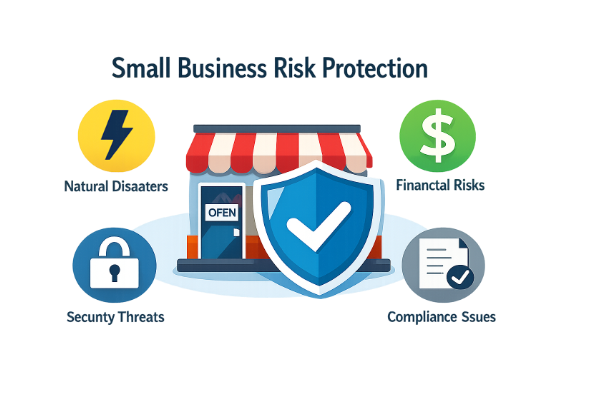
The journey to effective risk management starts with understanding potential threats, including financial issues, legal liabilities, operational errors, accidents, and natural disasters. A comprehensive risk assessment helps leaders evaluate the likelihood and impact of each risk, enabling better prioritization and decision-making. Consider the unique risk landscape of your sector and location; retail may focus on theft or supply chain issues, while service providers might prioritize data protection and skilled staff. Regular risk assessments, including SWOT analyses, reveal internal vulnerabilities and external threats. Engaging industry peers and local associations provides real-world insights and emerging risk trends to refine identification efforts.
Developing a Risk Management Plan
Once potential risks have been identified, the next step is to develop a comprehensive risk management plan. This document should detail mitigation strategies for each identified risk, assign clear responsibilities to relevant team members, and establish protocols for ongoing monitoring. A carefully constructed plan ensures everyone understands their role in risk reduction and response, fostering organizational unity when challenges arise.
Additionally, your plan should include a crisis communication strategy. Effectively relaying information to employees, customers, and stakeholders during a disruptive event is crucial to maintaining trust and confidence. Consider designating a spokesperson and preparing templated communications in advance for scenarios ranging from natural disasters to cybersecurity breaches. Regular drills and plan reviews ensure everyone knows what to do and when, increasing agility and confidence in times of uncertainty.
Implementing Risk Mitigation Strategies
Practical and effective risk mitigation often involves a range of strategies:
- Insurance Coverage: Securing suitable policies to cover property, liability, and other exposures.
- Legal Compliance: Observing all relevant local, state, and federal regulations to prevent legal penalties.
- Financial Controls: Adopting strong financial management practices to detect irregularities and maintain cash flow.
- Operational Procedures: Establishing clear and consistent operating procedures to promote stable and high-quality service.
Each of these measures helps to reduce the overall risk exposure and build resilience within the organization. According to Forbes, adopting a layered approach is particularly valuable for small businesses seeking comprehensive protection.
Don’t overlook the importance of vendor and third-party risk management. Regularly review contracts, service level agreements, and the risk posture of partners to avoid disruptions from supplier failures or external breaches. Additionally, document backup processes and disaster recovery plans should be tested to ensure business continuity even in adverse conditions.
Engaging Employees in Risk Management
Employees are vital partners in risk management. Regular, targeted training sessions help staff build an awareness of risk factors specific to their roles and the company as a whole. Encouraging open dialogue empowers employees to spot problems early and contribute valuable ideas to strengthen risk mitigation practices. By involving team members in developing and implementing risk strategies, organizations can foster a proactive culture where vigilance and accountability become second nature.
Creating incentive programs can further motivate employees to identify risks or suggest improvements. Recognizing those who spot potential issues or help prevent incidents can reinforce a collaborative and attentive work environment. Leadership should also emphasize transparency, ensuring employees feel safe raising concerns without fear of reproach.
Leveraging Technology for Risk Management
Modern technology offers an array of tools that make risk management more efficient and accurate. Advanced software systems can automate data collection, alert managers to emerging threats, and generate actionable reports in real time. Additionally, strong cybersecurity protocols are critical for protecting sensitive data as digital threats continue to rise. Investing in these solutions not only streamlines daily operations but also equips businesses to respond swiftly and decisively to emerging risks.
Cloud-based solutions, mobile apps, and integrated enterprise resource planning (ERP) tools provide flexible, scalable options for tracking and managing risk-related data. These systems can also improve regulatory compliance by automating documentation and flagging missing or outdated information. By regularly updating software and training employees on best practices, businesses enhance their preparedness and agility in navigating evolving risk landscapes.
Regular Monitoring and Review
Risk management is not a one-time task; it is an ongoing cycle that should evolve with the business. Scheduling regular plan reviews allows organizations to adjust strategies for new market trends, regulatory updates, or evolving industry risks. By maintaining flexibility and staying informed about emerging threats, business owners can ensure their strategies remain relevant and effective.
Integrating key performance indicators (KPIs) into the review process enables businesses to quantify the effectiveness of their risk strategies. Honest post-incident reviews and after-action reports can highlight what worked well and where improvements are needed, ensuring that each encounter with risk leads to organizational learning and continuous growth.
Conclusion
A proactive risk management approach is vital for small business growth and stability. By identifying risks, planning, engaging employees, using technology, and reviewing policies, organizations can face challenges and aim for sustainable success. Leveraging resources and expert advice helps small businesses build resilience. Effective risk management fosters responsibility, communication, and preparedness. Resilient businesses plan for uncertainties and seize opportunities. Making risk management core encourages innovation, growth, and long-term prosperity.

Thalla Lokesh
Thalla Lokesh is a Digital Marketing Strategist and SEO Specialist with over 12 years of experience in helping businesses grow their online presence. Since beginning his career in 2013, he has successfully worked across industries including healthcare, education, technology, and e-commerce. He specializes in search engine optimization (SEO), content marketing, keyword strategy, and link building, with a strong focus on delivering measurable results. Lokesh has helped brands achieve top rankings on Google through data-driven strategies, high-quality content, and ethical SEO practices aligned with search engine guidelines. As the founder of Honey Web Solutions , a Tirupati-based digital marketing company, he actively works with clients to improve organic traffic, lead generation, and online visibility. He also contributes expert insights on digital marketing trends, AI SEO, and content strategies through blogs and industry platforms.