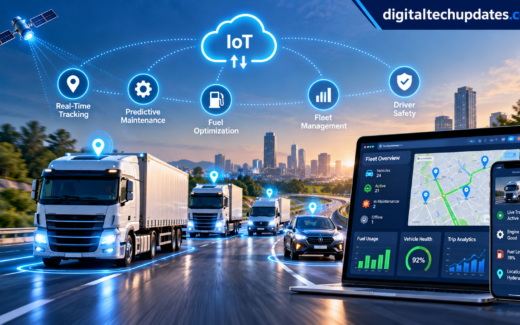
IoT Sensors in Equipment Rental: From Yard Tracking to Predictive Maintenance

Rental companies have always faced a visibility problem. Once a machine leaves the yard, the business largely relies on the customer to report how it is used, where it is and whether anything is wrong. That gap leads to unexpected breakdowns, billing disputes, theft and underused fleets.
The Internet of Things is closing that gap. Small, affordable sensors now report location, usage, engine data and condition in near real time. This article explains how IoT is changing equipment rental and what businesses should consider before investing.
What IoT Means in a Rental Context
The Internet of Things refers to physical objects fitted with sensors and connectivity that collect and share data. In rental, that usually means:
- GPS trackers that report location
- Engine hour meters and usage sensors
- Telematics units that read fault codes, fuel levels and operating data
- Condition sensors for temperature, vibration or shock
- Smart tags such as Bluetooth beacons or RFID for smaller items
The data flows to a cloud platform where staff can view it on dashboards and receive alerts.
Practical Benefits for Rental Businesses
Accurate location and theft recovery
GPS tracking shows where every connected machine is. Geofences trigger alerts when equipment leaves an approved area. If theft happens, recovery chances rise sharply.
Usage-based billing
Engine hours and usage data support fair, transparent billing. Customers who run a machine around the clock can be charged differently from those who use it lightly, and disputes are easier to resolve with data.
Predictive maintenance
Instead of servicing equipment on fixed schedules or waiting for failures, sensors can flag early signs of trouble, such as abnormal vibration or rising engine temperature. Maintenance happens before a breakdown on a customer site.
Better utilisation
Data reveals which machines are working and which sit idle on site. Rental companies can encourage customers to off-hire idle equipment and reposition it where demand exists.
Improved customer service
Customers can see their own fleet usage, receive alerts and plan more effectively, which strengthens long-term relationships.
Challenges to Consider
IoT is powerful, but it brings challenges:
- Hardware cost per unit, which may not make sense for small, low-value items
- Connectivity in remote locations with poor mobile coverage
- Data overload if there is no clear plan for using the information
- Integration with existing booking, billing and maintenance systems
- Security of connected devices and the data they transmit
- Customer privacy concerns, especially with location tracking
Start With High-Value Assets
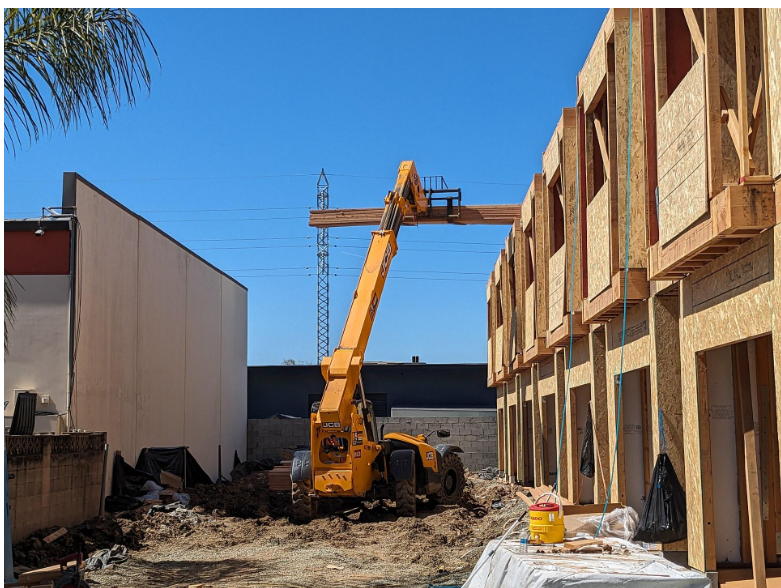
Most rental businesses begin by connecting their most valuable and most frequently rented equipment, such as excavators, telehandlers, generators and access platforms. These assets have the highest cost of downtime and theft, so the return on investment is clearer.
Smaller items can be tracked with cheaper solutions such as QR codes, barcodes or Bluetooth tags.
Connecting IoT to Your Rental Platform
Sensor data is most useful when it feeds directly into the systems you use to run the business. Ideally:
- Engine hours update maintenance schedules automatically.
- Location data shows on the same screen as the rental contract.
- Usage data flows into invoices for usage-based pricing.
- Fault codes create maintenance tickets.
This is why many companies look for IoT-ready rental platforms that can connect with telematics providers or import sensor data. Without integration, staff end up switching between dashboards and re-entering data. Solutions such as equipmentrentalsoftware.io are built with this in mind.
AI Makes the Data More Valuable
Raw sensor data is only the first step. AI and machine learning can analyse patterns across thousands of machines to predict failures, suggest pricing and forecast demand. This overview of how custom AI software solutions improve business efficiency shows how companies are turning operational data into smarter decisions, and rental is a natural fit for those techniques.
Building a Business Case
To justify IoT investment, estimate the value of:
- Reduced downtime from fewer breakdowns
- Lower theft losses and insurance costs
- Higher utilisation from better visibility
- Fewer billing disputes and faster payment
- Staff time saved on manual checks and phone calls
Compare these benefits with hardware, connectivity, software and installation costs. For high-value fleets, payback periods are often short.
Implementation Tips
- Pilot first. Connect a small group of machines and test the full workflow.
- Define alerts carefully. Too many notifications lead to alert fatigue.
- Train staff on how to act on data, not just how to view it.
- Communicate with customers about what is tracked and why.
- Review results after a few months and expand gradually.
Frequently Asked Questions
How do deposits protect a rental business?
Deposits or card pre-authorisations give the business security against damage, loss or late returns. They also encourage customers to treat equipment with care. Explaining the deposit clearly at booking, and releasing it promptly after a clean return, keeps the process fair and builds trust.
How should rental businesses handle late returns?
Set clear late fees in the agreement, send automatic reminders before the due date and follow up promptly when items are overdue. Making extensions easy to request online also reduces late returns, because customers can simply extend instead of keeping equipment without permission.
Conclusion
IoT is transforming equipment rental from a business that operates partly in the dark to one with real-time visibility of its fleet. Location tracking, usage data and predictive maintenance reduce costs, improve utilisation and strengthen customer relationships. Start with high-value assets, integrate the data with your rental platform and build from there.

Thalla Lokesh
Thalla Lokesh is a Digital Marketing Strategist and SEO Specialist with over 12 years of experience in helping businesses grow their online presence. Since beginning his career in 2013, he has successfully worked across industries including healthcare, education, technology, and e-commerce. He specializes in search engine optimization (SEO), content marketing, keyword strategy, and link building, with a strong focus on delivering measurable results. Lokesh has helped brands achieve top rankings on Google through data-driven strategies, high-quality content, and ethical SEO practices aligned with search engine guidelines. As the founder of Honey Web Solutions , a Tirupati-based digital marketing company, he actively works with clients to improve organic traffic, lead generation, and online visibility. He also contributes expert insights on digital marketing trends, AI SEO, and content strategies through blogs and industry platforms.